Soft vs. Hard Portrait Light: Read the Shadow Edges
PhotosLux ·
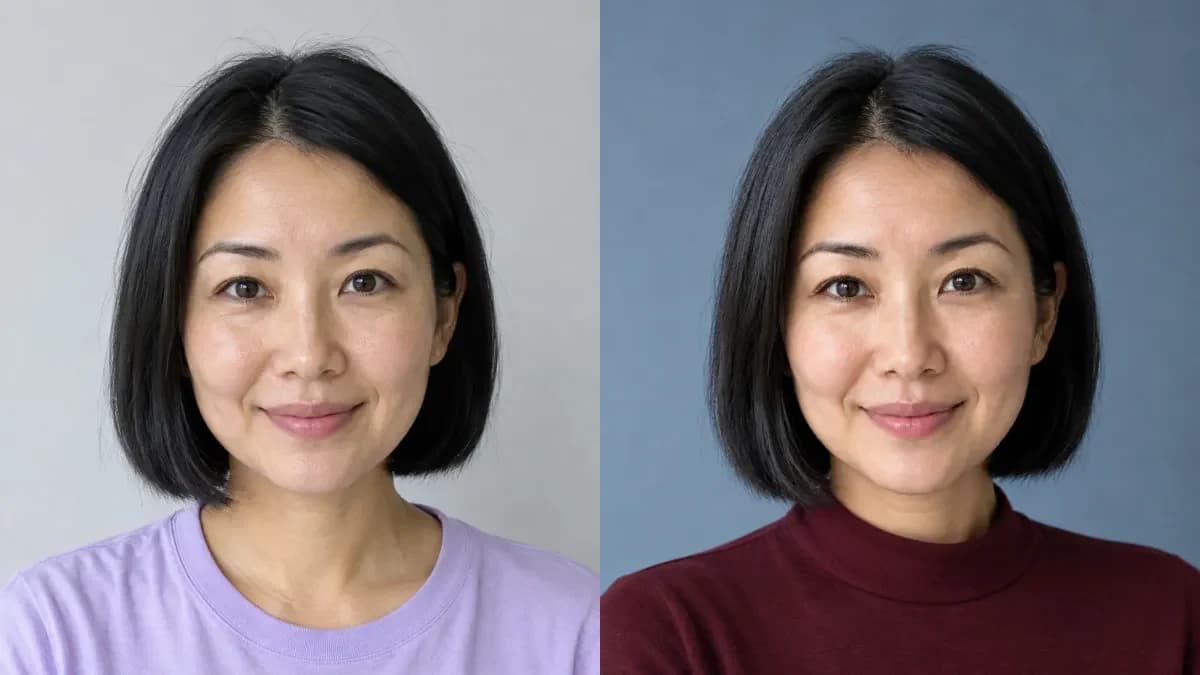
In a portrait, a gradual transition at the nose, cheek, or under the chin suggests soft light; a crisp shadow boundary suggests hard light. That edge is the clearest visual clue—not the shadow’s darkness or the overall brightness.
1. Look at the shadow boundary
Compare the edge of a nose shadow as it falls across the cheek. With softer light, the change from lit skin to shadow spreads gradually, without a sharply drawn line. With harder light, that boundary looks crisp and defined. The same clue can show beneath the chin or along the cheek.
For example, a portrait might show a faint, feathered nose shadow that blends into the cheek; another might show a distinct nose-shaped line with a clean edge. These descriptions identify how the shadow changes, not whether the portrait is good. In a generated image, the edge is a visual guide to the depicted lighting, not a reliable test of how an image was made.
2. Why soft and hard light make different edges
In real photography, a light source that appears large relative to the subject tends to wrap around features and make shadow transitions softer. A source that appears small tends to create sharper edges. This is about apparent size from the subject’s point of view, not just the source’s name.
Window light can look soft when it is broad or diffused, while direct sun can create hard-edged shadows. But a window does not guarantee soft light, and an overcast or golden-hour scene is not automatically soft. Diffusion and apparent source size matter; soft light also does not erase every shadow.
3. Keep softness separate from other lighting qualities
Softness describes the transition at a shadow’s edge. Brightness describes how light or dark the image appears; contrast describes the difference between its lighter and darker areas. Direction tells you which side the light comes from, while color describes whether it reads warm, cool, or neutral. Focus is separate, too: soft light does not mean a blurry portrait or automatic skin smoothing.
So a bright portrait can still have hard light: the face is well lit, but the nose shadow has a crisp boundary. A dim, side-lit portrait can have soft light: one side falls into shade, yet the transition across the cheek is gradual. Soft light can be directional and retain visible shadow; hard light is not simply overexposed, warm, or bad.
4. Choose the mood, then describe it consistently
Soft light often suits calm, gentle tonal transitions. Harder edges can give a portrait a more graphic, sculpted appearance. Neither is universally better; choose the quality that supports the intended mood, then state the direction separately.
Try: “Soft, broad window-like light from viewer-left, with gradual cheek shadows and gentle shade on viewer-right.” For a contrasting look, try: “Hard, directional light from viewer-left, with crisp shadow edges across the cheek.” Avoid combining instructions such as “soft light with a sharp, hard shadow line” unless you specifically want a mixed effect.
5. Apply the description to a new PhotosLux portrait
In PhotosLux, describe the light you want as an extra preference for a new scene, alongside the selected photographic treatment. There is no dedicated hard-or-soft light slider, physical light placement, or guaranteed exact shadow control. The wording communicates an intended look; generated results can vary, so check whether the shadow transitions actually match your description.
For a useful check, look at the nose and cheek boundary first, then note the light’s direction and whether the shaded side remains visible. Keep those observations distinct: “soft” answers what the edge looks like, while “from viewer-left” answers where the light appears to come from.
Illustrative example
Illustrative soft-light example
This example shows one fictional adult woman with chin-length straight black hair, dark brown eyes, and light-medium warm beige skin. Her synthetic reference portrait has a lavender T-shirt; the new editorial studio portrait uses a plain burgundy long-sleeve mock-neck against muted slate-blue. Soft, window-like light comes from viewer-left, with gradual nose and cheek transitions and gentle shade on viewer-right. Hands stay outside the frame. Both images are AI generated. This illustrates soft light only, not a controlled comparison.
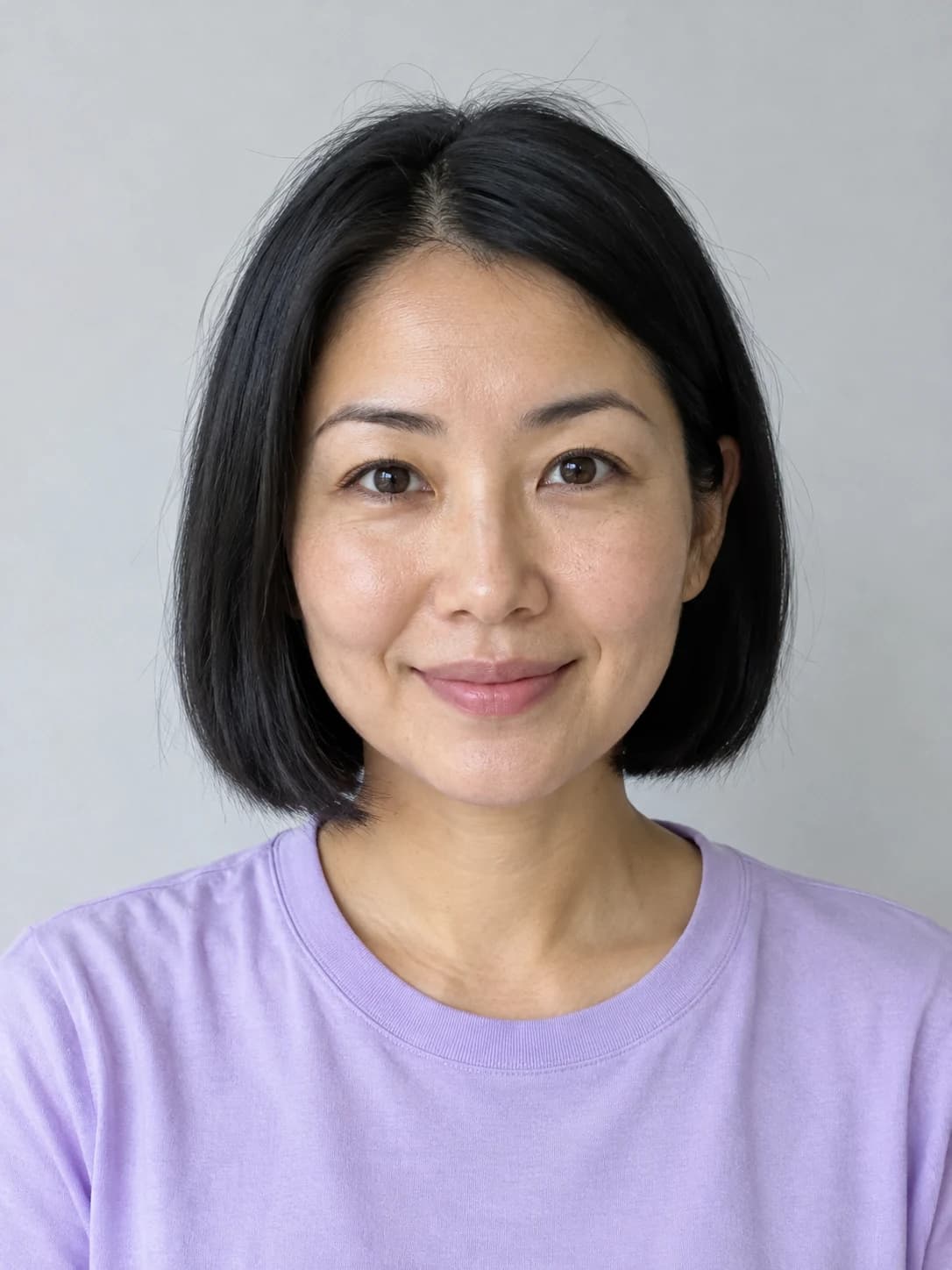

Create an editorial head-and-shoulders portrait in a plain burgundy long-sleeve mock-neck top against a plain muted slate-blue studio backdrop. Use soft, broad window-like light from viewer-left, with smooth shadow transitions across the nose and cheek and a gentle visible shadow on viewer-right. Keep the shoulders relaxed, the smile calm, and hands outside the frame. Show realistic skin texture. No hard shadow line, text, lettering, logos, jewelry, or props. 3:4 portrait.
Both images are AI generated and show a fictional adult. This is an illustrative example, not a customer result; outcomes vary.
FAQ
Does soft light mean a blurry portrait?
No. Soft light describes gradual shadow edges. Blur concerns focus and detail, which are separate qualities.
Can soft light still create a shaded, dramatic side?
Yes. Directional soft light can leave one side in shade while keeping the transition at the shadow edge gradual.
Is hard light always worse for a portrait?
No. Hard light can create a deliberate, graphic or sculpted look. Whether it suits a portrait depends on the intended mood.